
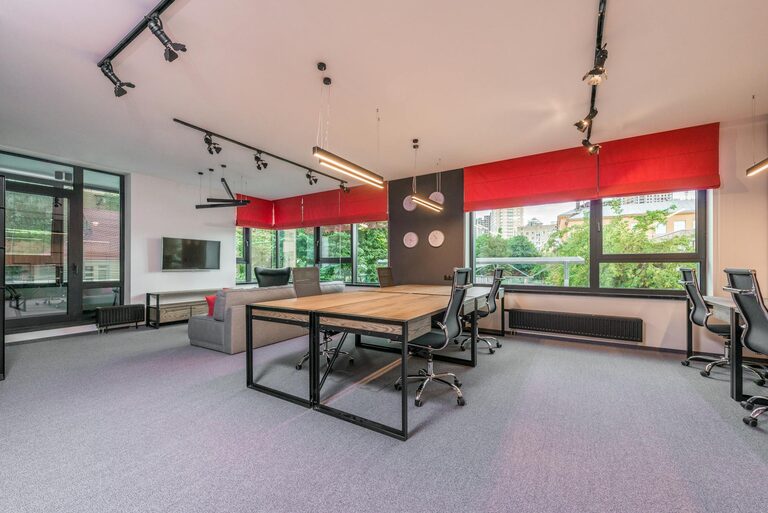
Creating a comfortable workspace starts with choosing the right desk chair. Whether you work from home or spend long hours at an office desk, a good chair can make a significant difference in your comfort, health, and productivity. But with so many options available, how do you pick the best one?
In this post, we’ll guide you through practical tips for selecting a comfortable desk chair that suits your needs and helps you stay focused throughout the day.
Why a Comfortable Desk Chair Matters
Spending many hours seated without proper support can lead to discomfort, back pain, and decreased productivity. A comfortable desk chair encourages better posture, reduces strain on your muscles and joints, and lets you concentrate on your tasks without constant adjustments.
Investing time to find the right chair contributes to better well-being and can even improve your work performance.
Key Features to Consider When Choosing a Desk Chair
1. Adjustability
One of the most important factors in comfort is how well the chair adjusts to your body. Look for chairs with adjustable features such as:
– Seat height: Allows you to set the chair so your feet rest flat on the floor.
– Backrest tilt and tension: Lets you recline slightly and provides the right resistance.
– Armrests: Adjustable armrests support your arms and reduce shoulder strain.
– Lumbar support: Supports the natural curve of your lower back.
Adjustability ensures the chair fits your unique body shape and desk height.
2. Lumbar Support
Good lumbar support prevents lower back pain by supporting the inward curve of your spine. Chairs with built-in lumbar support are ideal. Some chairs also offer adjustable lumbar pads or depth that can be moved up and down.
If you choose a chair without dedicated lumbar support, consider adding a lumbar cushion to maintain spine alignment.
3. Seat Comfort and Padding
The seat should be firm enough to support you but cushioned enough to be comfortable over long periods. Foam padding with breathable fabric or mesh can provide both comfort and ventilation.
Avoid very soft seats that cause sinking or very hard seats that increase pressure points.
4. Seat Depth and Width
Seat depth is the distance from the front edge to the backrest. Ideally, you should be able to sit with your back against the backrest while leaving 2 to 4 inches of space between the back of your knees and the seat edge.
The seat width should comfortably fit your hips without being too narrow or excessively wide.
5. Swivel and Mobility
A chair that swivels 360 degrees allows easy movement and access to different parts of your workspace without straining. Consider chairs with smooth-rolling casters suited to your floor type (carpet or hard floor).
Mobility features add convenience, especially in dynamic workspaces.
6. Breathable Material
Chairs made with mesh backs or breathable fabric promote airflow, which helps keep you cool during long work sessions. Leather and vinyl chairs look elegant but might feel warmer and less breathable.
Choose the material that feels comfortable for your environment and personal preference.
7. Build Quality and Durability
A well-built chair with sturdy construction lasts longer and performs better. Check for strong frames, high-quality cushions, and solid base materials.
Reading reviews or trying the chair in-store can give you a feel of its quality.
Additional Tips for Choosing Your Desk Chair
Test the Chair Before Buying
Whenever possible, try sitting in the chair for at least 10–15 minutes. Pay attention to how it supports your back, how adjustable the features feel, and whether you feel comfortable shifting positions.
Consider Your Workspace Size and Style
Measure your workspace to ensure the chair fits comfortably. Also, think about the chair’s style and color to match your office decor.
Set a Budget
Comfortable chairs come in various price ranges. While budget options exist, investing a bit more often results in better comfort and durability.
Read Reviews and Seek Recommendations
Learning from other users’ experiences provides real-world insights about comfort, durability, and features.
Remember Your Posture
No chair can replace good posture habits. Sit with feet flat on the floor, knees at a 90-degree angle, and your back aligned with the chair’s lumbar support. Take breaks to stand and stretch regularly.
Maintenance and Care
To keep your chair comfortable for years:
– Clean fabric and mesh surfaces regularly to prevent dust buildup.
– Check and tighten screws or bolts periodically.
– Lubricate wheels if mobility decreases.
– Replace worn cushions or armrest pads if possible.
Proper care extends the life of your investment.
Conclusion
Choosing a comfortable desk chair is essential for creating a healthy, productive workspace. Focus on adjustability, lumbar support, seat comfort, and quality to find a chair that fits your body and work style. Taking the time to select the right chair will pay off in comfort and well-being every day.
Remember, your chair should support you—not the other way around. Happy chair hunting!