
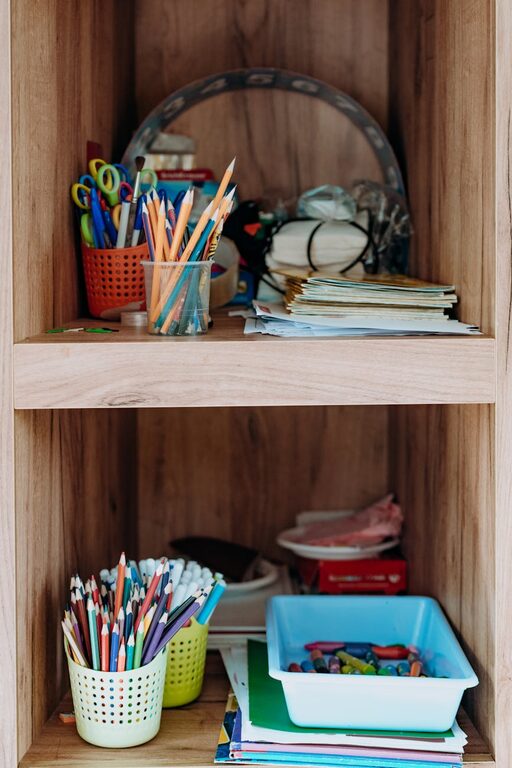
Bringing home your child’s colorful artwork is a joy for any parent. But over time, those drawings, paintings, and crafts can pile up, creating clutter and making it hard to keep track of your child’s creativity. Organizing kids’ art doesn’t have to be overwhelming. With a few thoughtful strategies, you can preserve your child’s masterpieces, keep your home tidy, and celebrate their artistic journey.
In this blog post, we’ll explore practical tips and creative solutions to help you manage, store, and display your child’s artwork effectively.
Why Organizing Kids’ Art Matters
Kids’ art represents their thoughts, feelings, and growing skills. Saving these pieces can become a treasured way to look back on their development. However, without an organized system, it can quickly lead to clutter, lost pieces, or damaged works.
Organizing artwork helps you:
– Keep your space neat and manageable
– Easily find specific pieces when you want to reminisce or share
– Protect artwork from damage
– Encourage your child’s creativity by showing you value their efforts
How to Start Organizing Kids’ Art
Before diving in, gather all the artwork you have accumulated. Sort it by date, theme, or child (if you have more than one). Decide which pieces to keep long-term and which can be recycled, gifted, or reused.
1. Involve Your Child
Make your child part of the process. This empowers them to decide what’s important and teaches them organization skills.
Ask questions like:
– Which pieces do you like the most?
– Would you like to display some in your room?
– Can we take photos of these and then recycle the originals?
This keeps the experience positive and meaningful.
Practical Storage Solutions
Finding the right storage method depends on how much artwork you have and your available space. Here are several ideas to consider:
Use Art Binders or Portfolios
A large binder with clear sheet protectors is a simple way to archive flat artwork. Portfolios designed for artists work well too.
– Label sections by year or project
– Use acid-free sleeves to protect delicate pieces
– Keep the binder accessible for easy browsing
Digital Archiving
If physical storage is tight or you want to preserve every piece without clutter, digital archiving is excellent.
– Take photos or scan artwork
– Organize images into folders by year or theme on your computer
– Use apps specifically designed for saving kids’ art
– Create digital photo books that can be printed later
Storage Boxes or Containers
Plastic or cardboard boxes labeled by child and year are ideal for three-dimensional crafts or thicker artworks.
– Use stackable boxes to maximize space
– Line boxes with tissue paper to protect items
– Store boxes in a dry, cool place to avoid damage
Creative Display Ideas
Displaying kids’ art encourages pride and adds personal charm to your home.
Rotating Gallery Wall
Dedicate a wall or a section of a wall where artwork can be hung with clips, frames, or a wire and clothespins. Rotate pieces regularly to showcase new creations.
Display Frames with Changeable Inserts
Some frames are designed to easily swap artwork, allowing you to keep the display fresh.
Use Corkboards or Magnetic Boards
These boards make it simple to pin or magnetically attach artwork and rearrange as needed.
Crafty Storage Displays
Repurpose items like clipboards or picture ledges to create adjustable displays.
Tips for Managing Artwork Volume
Over time, you’ll collect many pieces. Here are some strategies to manage the quantity:
– Set limits: Keep a set number of pieces each month or year.
– Create themed collections: Group artwork by season, holiday, or subject.
– Gift artwork: Share creations with family and friends.
– Reuse creatively: Use old drawings as wrapping paper or in craft projects.
Preserving Special Projects
For artwork that is particularly sentimental or unique, consider:
– Professional framing for standout pieces
– Creating a scrapbook combining photos, stories, and art
– Making a quilt or collage from fabric art or smaller pieces
Final Thoughts
Organizing your kids’ artwork is a wonderful way to honor their creativity while keeping your home organized. With thoughtful storage, display, and decluttering strategies, you can create a system that works for your family.
Remember, the goal isn’t to keep every single piece but to celebrate the most meaningful ones in ways that bring joy and inspiration. Your child’s creative journey deserves to be cherished—and properly organized!
Happy organizing!